
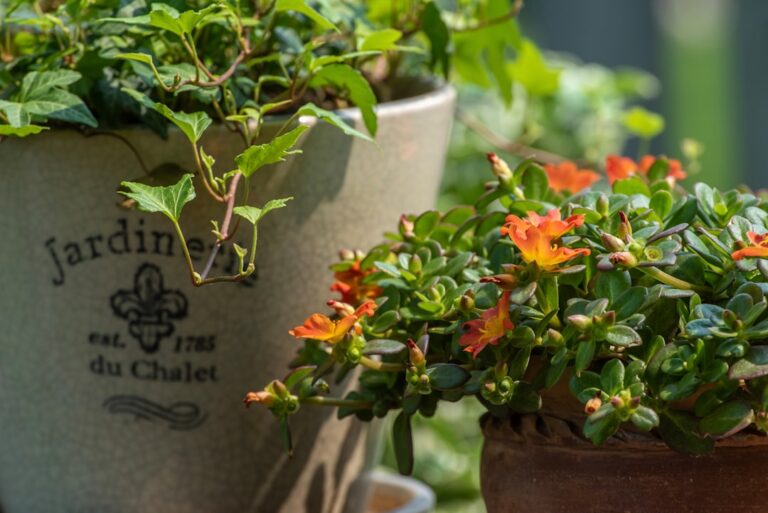
Want to try gardening in containers but don’t know how to start? You’re not alone. Container planting can be vibrant, productive, and beautiful—if you sidestep the most common container gardening mistakes. Imagine if you had a certified gardener guiding every choice, eliminating guesswork and expensive failures, and giving you a clear path to success. Let’s bring your container garden to life with confidence.
Understanding Container Gardening
means designing a thriving mini-ecosystem in a pot, planter, or terracotta vessel where moisture levels, airflow, and drainage determine a plant’s health. The biggest container gardening mistake is treating container soil like garden soil. In a container, water moves differently, organic materials break down faster, and dry soil or overly wet mix can trigger rot. Mastering potting mix, drainage holes, and watering rhythms changes everything.
What is Container Gardening?
Container gardening is growing plants in containers rather than in-ground beds, using a potting mix tailored for good airflow and drainage. Plants in containers depend entirely on the container, water, and fertilizer schedule you provide. A container garden mistake is easy to make when the container doesn’t have drainage holes or when garden soil is used. With smart container soil choices, you prevent root rot and keep moisture levels balanced.
Benefits of Gardening in Containers
When done right, container planting offers flexibility indoors and outdoors, precise control over water, potting mix, and fertilizer, and the freedom to adjust light and airflow. You can avoid common mistakes and still grow herbs, flowers, and organic edibles by prioritizing drainage, compost-rich mixes, and a clear plan. Fancy Pants Garden Consulting Services helps gardeners build kitchen gardens that thrive, swapping common mistakes for good drainage, compost-rich mixes, and just a clear path to success.
Choosing the Right Container for Your Plants
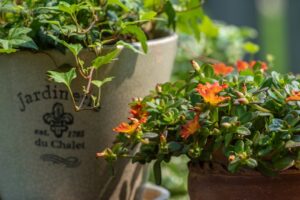
Select a container that supports good airflow and drainage and ensure ample drainage holes. Unglazed terracotta clay pots are porous, helping soil dry evenly, while plastic keeps moisture longer. Match planter size to roots—too small restricts growth; too large stays wet. Here are some simple care pointers to follow:
- Use quality potting mix with organic materials.
- Add mulch to moderate moisture.
- Use a moisture meter to guide how you water your plants.
Common Container Gardening Mistakes
Even seasoned gardeners make container gardening mistakes when excitement outruns a plan. The biggest mistake is assuming more plants equal more beauty. In truth, a container, pot, or planter is a small ecosystem where airflow, water, and potting mix must balance. When common mistakes stack up—poor drainage, compacted container soil, or dry soil swings—you invite rot, nutrient stress, and lackluster plant’s health.
Overcrowding Containers
Overcrowding blocks airflow and encourages root rot—give each root ball space. A terracotta pot or unglazed terracotta clay pots are porous, but even they can’t compensate for crammed roots. Give each root ball space, match mature widths, and remember: one vigorous star often outperforms five struggling companions in a container garden.
Neglecting Drainage Holes
No drainage holes = pooled water, salt buildup, and rot. Without exit points, water pools, soil dries unevenly, salts accumulate from fertilizer, and rot follows. Drill or choose pots with ample drainage holes and elevate the planter slightly to enhance outflow. Terracotta remains helpful because it’s porous, but no material can offset a sealed base. Good airflow and drainage keep moisture levels steady and your plants in containers resilient.
Using Improper Potting Mix
Never use garden soil in containers—choose a quality, aerated potting mix. In containers, garden soil compacts, suffocates roots, and derails water movement. Choose a quality potting mix blended with organic materials and compost for structure, then adjust texture for the plant’s health. If your climate is arid, include more moisture-holding fibers; if humid, favor chunkier aeration. Avoid topsoil; it’s a common April container garden mistake that ranks among the 20 most common container gardening headaches.
Watering and Maintenance Issues
Gardening in containers demands a smarter rhythm for water and nutrients than in-ground beds. The consultation educates clients on soil and water requirements, showing how a moisture meter, mulch, and right potting mix prevent dry soil and overwatering. Consistent watering and balanced feeding build resilient container gardens. Fix these 10 container gardening mistakes and you’ll see steadier growth, greener leaves, and reliable blooms.
Watering Techniques for Container Gardens
Water deeply until excess drains, then wait until the proper dryness before watering again. Use a moisture meter to read moisture levels near roots rather than guessing at the surface. Morning watering reduces evaporation and fungal pressure.
For better results, consider the following practices:
- In heat, cluster pots to buffer wind and protect airflow.
- Adjust watering frequency by container size, material, and plant type.
- Remember that terracotta dries faster than plastic or glazed planters.
Importance of Mulch in Container Gardening
A 2-inch mulch layer stabilizes moisture, reduces heat stress, and cuts watering frequency. Organic materials like shredded bark or composted leaves also insulate and curb algae. In a container, where volume is limited, mulch prevents extreme dry soil on top that wicks water away, reducing common container gardening mistakes tied to inconsistent irrigation.
Managing Container Soil Quality
Refresh mix annually, flush salts monthly, and amend to maintain airflow and drainage. Container soil is a living medium that tires faster than beds. Refresh annually by replacing one-third of the mix and blending in compost for nutrients and structure. Leach excess fertilizer salts monthly with a thorough flush through drainage, then resume a light feeding schedule. If the mix slumps or compacts, amend for good airflow and drainage. Regularly inspect roots; trim circling strands and repot before stress spirals into rot or decline.
Choosing Planters Carefully
Choosing the right planter prevents container gardening mistakes before they start. A certified gardener looks at drainage, airflow, and potting mix compatibility so plants in containers thrive indoors or outside. The biggest mistake is selecting a pot without drainage holes. Match planter features to your climate, add mulch to stabilize moisture levels, and use a moisture meter to guide when you water your plants.
Material Types and Their Impact
Material affects moisture and temperature: terracotta breathes; plastic retains; metal heats. Unglazed terracotta clay pots are porous, encouraging good airflow and drainage, but in arid zones the soil dries fast. Plastic and fiberglass retain water, lowering irrigation frequency but raising root rot risk if drainage holes are undersized. Glazed ceramic balances looks with steadier moisture; metal heats quickly and can scorch container soil. A gardener pairs material, potting mix, and fertilizer to protect plant’s health across seasons.
Size and Shape Considerations
Right-sized, straight-sided containers with generous drainage prevent waterlogging and root stress. A too-small pot compacts potting mix and starves roots; an oversized container holds excess water and invites rot. Deep-rooted crops need vertical room, while herbs favor wider bowls for airflow. Straight-sided forms repot easily; tapered pots can trap root balls. Ensure generous drainage holes and consider saucers that won’t flood. Align shape with mature canopy so light, water, and mulch work together in your container garden.
Adapting Planters for Seasonal Changes
Match container material and watering cadence to seasonal heat, cold, and rainfall. In hot summers, choose porous terracotta for cooling and top with mulch; in cold snaps, insulated plastic reduces freeze-thaw stress. The consultation educates clients on local seasons and suitable crops, then adjusts potting mix texture, fertilizer timing, and watering cadence. Elevate planters for drainage during rains, and swap inserts so soil dries predictably. A moisture meter confirms safe moisture levels month to month.
Companion Planting in Containers
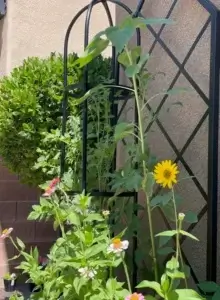
Pair plants with similar water, light, and nutrient needs to reduce mistakes and boost yield. Companion planting in a container can solve 10 container gardening mistakes at once when done thoughtfully. The right partners share water needs, root depths, and nutrient timing, minimizing common container gardening mistakes like overcrowding or mismatched thirst. A gardener selects compatible herbs, flowers, and edibles, balancing airflow and drainage while using compost and organic materials to fuel growth. Done well, your container planting becomes prettier, more productive, and easier to water your plants.
Benefits of Companion Planting
Smart pairings stabilize moisture, deter pests, and improve overall plant health. Deep feeders mine nutrients while shallow herbs shade container soil, so dry soil swings lessen and soil dries evenly. Flowers attract pollinators and beneficial insects, reducing disease that leads to rot. Shared planters conserve water, improve airflow, and make maintenance simpler. With good drainage and mulch, these living teams outperform solos and sidestep the 20 most common container gardening errors.
Common Companion Planting Mistakes
Don’t mix drought lovers with thirsty crops or pack heavy feeders into small pots. A container garden mistake is easy when partners conflict. Mixing drought lovers with thirsty crops is a gardening mistake you can make that stresses both; one gets root rot, the other suffers dry soil. Overcrowding crushes airflow, while tall plants shade sun-lovers. Using garden soil instead of potting mix is a common April container garden mistake that clogs drainage. Avoid heavy feeders together in small pots or fertilizer burn and salt buildup will follow.
Best Companion Plants for Container Gardens
Proven combos: basil with tomatoes, chives with strawberries, thyme with peppers; add marigolds. Think in teams that share water and light. Basil with tomatoes, chives with strawberries, and thyme with peppers balance canopy and root zones while fitting standard planter sizes. Marigolds pair broadly, supporting good airflow and drainage and discouraging pests. Lettuce under dwarf tomatoes shades container soil so moisture levels stay even. Choose unglazed terracotta for herbs that prefer porous walls, add compost, and use a moisture meter to fine-tune irrigation and fertilizer timing.
| Planting combo | Benefit |
|---|---|
| Basil with tomatoes | Balances canopy and root zones; fits standard planter sizes |
| Chives with strawberries | Balances canopy and root zones; fits standard planter sizes |
| Thyme with peppers | Balances canopy and root zones; fits standard planter sizes |
| Marigolds (broad pairing) | Supports airflow and drainage; discourages pests |
| Lettuce under dwarf tomatoes | Shades soil so moisture stays even |
- Choose unglazed terracotta for herbs that prefer porous walls.
- Add compost.
- Use a moisture meter to fine-tune irrigation and fertilizer timing.
What are the top container gardening mistakes every gardener should avoid?
One of the 10 common container gardening mistakes is choosing the wrong container or soil, which harms plant growth from the start. New gardeners often use non-porous pots without drainage or pack plants into one container that’s too small, leading to stressed plant roots. Other frequent errors include using poor soil without compost, not choosing plant varieties suited to containers, and neglecting to use organic materials or plant food. Visiting a garden center to choose plants and supplies and learning about well-draining mixes can prevent most early failures.
How can a gardener prevent root problems in containers?
Plant roots need oxygen and space; using larger pots and a well-draining soil with compost helps avoid root-bound or rotting roots. Avoid non-porous containers without drainage holes and don’t keep plants in too small pots for long—repot into larger pots when roots are visible. A soil moisture meter helps you avoid overwatering, which suffocates roots, while a loose, organic-rich mix encourages healthy root growth similar to in-ground plants.
What should a gardener know about choosing containers and drainage?
Containers should be chosen for function as well as style: prioritize drainage and material. Non-porous containers can be used if they have adequate drainage holes and elevated positioning; otherwise choose terracotta or other porous pots for better moisture regulation. Larger pots reduce watering frequency and support bigger plant growth, while too-small pots force frequent repotting and stress. For cascading summer display effects, select containers sized to support trailing varieties and sufficient soil volume.
How much should a gardener water and how can overwatering be avoided?
Overwatering is one of the most common container gardening mistakes. Use a soil moisture meter to check actual soil moisture rather than guessing. Water deeply until excess drains, then allow the top soil to dry appropriately for each plant variety. Well-draining mixes and containers with good drainage prevent soggy conditions, and planting in larger pots can reduce rapid drying in hot weather.
Are there common plant selection errors a container gardener makes?
Yes. Many gardeners fail to choose plants suited to container life or to match plant varieties by light and water needs. Avoid mixing plants with conflicting requirements in one container; instead combine compatible species for a cascading summer display or grouped combinations. Also, know when to choose in-ground plants versus container plants—some species simply perform better in the ground.
How should a gardener fertilize container plants without burning them?
Containers have limited soil and nutrient reserves, so regular feeding is important. Use balanced plant food or slow-release organic fertilizers and supplement with liquid feed during the growing season according to plant needs. Incorporate soil with compost when planting to provide an initial nutrient boost and use organic materials for steady fertility. Avoid over-fertilizing, which can damage roots and reduce plant growth.
What mistakes do gardeners make with spacing and overcrowding?
Plants planted close together in containers compete for water, light, and nutrients; this is a frequent mistake. Give each plant enough room for its mature size or use larger pots to accommodate multiple varieties. Overcrowding also increases disease pressure and reduces airflow; thin or transplant crowded seedlings and choose appropriate plant varieties for the container size to maintain healthy growth.
How should a gardener prepare container plants for winter or extreme weather?
Failing to prepare containers for cold or heat is a common oversight. During frost risk, bring them indoors or insulate pots—especially non-porous or lightweight containers that can crack. For extreme heat, move containers to partial shade and increase watering frequency while monitoring moisture with a meter. Use long-sleeved gardening gloves when handling heavy or frozen pots, and consider planting hardy varieties or moving sensitive ones inside to protect against temperature extremes.