
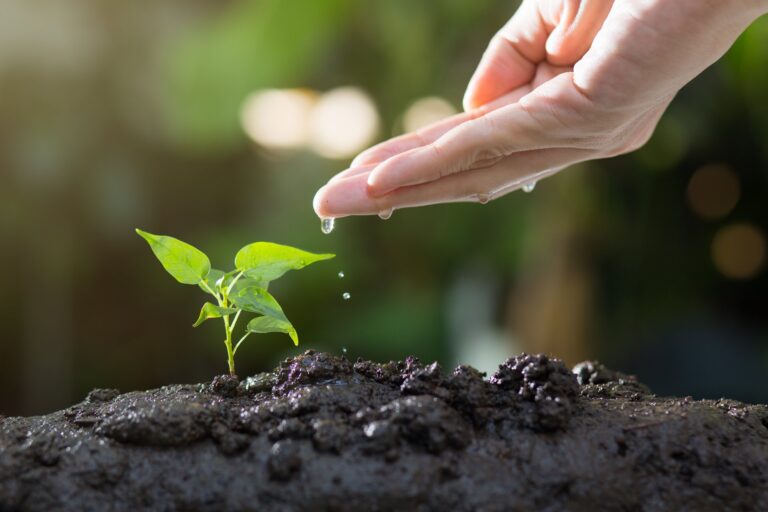
Container gardening is a great way to grow lush container plants, but success starts with choosing the right soil. The best soil for containers must balance drainage, aeration, moisture, and nutrients, and support vigorous root growth. Unlike garden soil, a tailored potting mix offers a clean, reliable growing medium for planters, pots, and large containers used in a productive container garden.
Understanding Soil for Container Gardening
When selecting soil for container gardening, think of performance rather than location. Choose engineered mixes that prevent compaction and provide consistent moisture and nutrients. Ingredients like peat moss, perlite, vermiculite, and compost create a soilless or organic soil blend that supports container vegetables and ornamentals. Learning how plants need water, air, and nutrients helps in choosing the right soil mix.
What is Container Soil?
Container soil, often called potting soil or potting mix, is a lightweight, sterile growing medium designed for planters and pots. It’s typically soilless and blends peat/coir, perlite, vermiculite, and organic matter for optimal drainage and aeration. This container garden soil excludes weed seeds and pathogens, ensuring plant roots thrive and plants grow reliably in confined spaces.
The Importance of Soil in Container Gardens
Soil for container gardening determines how plants grow by managing water and nutrients, airflow, and stability for plant roots. A quality mix prevents waterlogging, maintains aeration, and reduces compaction. It excludes top soil contaminants and supports fertilize schedules. Good container soil also helps reuse containers by minimizing disease risks that garden soil or raised bed soil might introduce into a pot or planter.
Characteristics of Quality Potting Soil
Look for a coarse, fresh, soilless blend with organic matter that’s free of weed seeds. Common ingredients include sphagnum peat moss, perlite, vermiculite, and compost, often marketed as potting soil for container gardening. A premium potting mix is compatible with fertilizer regimes like Miracle Grow. University of Maryland Extension advises avoiding topsoil and using amendments that improve soil structure for container gardens.
Best Soil Options for Container Gardening
Selecting the best soil for container gardening means matching ingredients to how plants need water and nutrients. Prioritize a potting mix that balances drainage and aeration and excludes weed seeds, and supports root growth in a planter or pot. Avoid garden soil or topsoil in pots; instead, choose fresh potting blends tailored to container plants.
Types of Potting Mix
Potting soil for container gardening typically blends sphagnum peat moss, perlite, and vermiculite with compost or other organic materials. All-purpose mixes fit most containers; moisture-control mixes reduce watering in large pots. Lightweight, soilless blends prevent compaction, improve soil health, and maintain consistent drainage. Avoid heavy raised bed soil and top soil that hinder aeration and slow plants’ growth.
Soilless Growing Mediums
Soilless mixes (peat/coir, perlite, vermiculite) offer sterile, well-draining, airy structure. They exclude garden soil, limiting pathogens and weed seeds, and help plant roots access water and nutrients efficiently. These blends are ideal for a container garden, promote root growth, and pair well with a regular fertilizer schedule.
Compost as a Soil Amendment
Use compost as a modest amendment to boost nutrients and moisture retention—never alone in pots. Mix modest amounts into a soilless potting mix to avoid heaviness that reduces drainage. Quality compost can improve soil structure, support microbial life, and enhance fertilizer efficiency, but avoid using compost alone in a pot, planter, or large containers.
Creating Your Own Soil Mix
Building a custom soil mix lets you tailor the best soil for container gardening to specific plants. Start with a soilless base, add compost, and adjust perlite/vermiculite for texture. This approach helps improve soil performance, supports container plants, and simplifies choosing the right soil.
Ingredients for a Custom Potting Soil
Core formula: peat/coir (moisture) + perlite (drainage) + vermiculite (aeration/retention) + screened compost. A small dose of slow-release fertilizer, such as options comparable to Miracle Grow, supports plants grow steadily. Exclude garden soil and topsoil to keep the growing medium light and clean.
| Component | Role |
|---|---|
| Peat/Coir | Moisture |
| Perlite | Drainage |
| Vermiculite | Aeration/Retention |
| Screened compost | Nutrient content |
Steps to Mix Your Own Soil
Blend 2 parts peat/coir : 1 part perlite : 1 part vermiculite : 1 part compost. Moisten evenly to activate the mix and prevent dusty particles. Test drainage by watering in a pot; adjust perlite for faster flow or vermiculite for retention. This fresh potting recipe creates container soil that supports healthy root growth.
| Component | Ratio (parts) |
|---|---|
| Peat/Coir | 2 |
| Perlite | 1 |
| Vermiculite | 1 |
| Compost | 1 |
Tips for Reusing Old Potting Soil
Remove roots, discard diseased material, and refresh with compost and perlite. Fertilize lightly to replenish nutrients, rotate containers, and avoid mixing in raised beds or top soil. The University of Maryland Extension suggests monitoring salts and pests when reusing soil for container gardening.
Soil Mix for Specific Plants
Selecting the best soil for container gardening depends on how specific container plants manage water and nutrients. Match drainage/aeration to root habits; start with a soilless base and add compost sparingly. Blend in compost as an amendment, exclude topsoil, and prioritize clean container garden soil free of weed seeds.
Best Soil for Container Vegetables
Lightweight mixes with peat/coir + perlite + vermiculite + compost support steady moisture and nutrients. Mix in screened compost for organic matter and slow-release fertilizer comparable to Miracle Grow to keep plants grow steadily in a pot or planter.
Soil Requirements for Flowering Plants
Use a soilless mix that holds moisture without waterlogging to fuel blooms. A soilless growing medium using peat moss, perlite, and vermiculite supports vigorous root growth and abundant blooms. Add compost sparingly to improve soil fertility, and avoid garden soil or top soil that compacts. Regularly fertilize at low doses to sustain color while protecting soil health.
Choosing Soil for Raised Beds vs. Pots
Pots need lighter, soilless mixes; raised beds can handle heavier organic blends. Avoid raised bed soil or topsoil in a planter, where poor drainage can suffocate plant roots. For containers, use a coarse, soilless potting mix; for raised beds, integrate quality compost and aeration amendments as needed.
Maintaining Soil Health in Container Gardens
Healthy soil for container gardening relies on consistent structure, aeration, and nutrient cycling. Start with the right mix, then refresh with compost and manage watering. Reuse potting mix by refreshing organic matter, checking salts, and ensuring drainage remains open. Prioritize clean growing medium, exclude garden soil, and monitor how plants need moisture over seasons.
Watering Practices for Optimal Soil Condition
Water thoroughly until excess drains; let the top inch dry before rewatering. Use a soilless blend with perlite to speed drainage, and avoid constant saturation that limits oxygen to plant roots. Mulch lightly with compost to reduce evaporation in a container garden.
Fertilizing Techniques for Container Soil
Combine slow-release fertilizer at planting with dilute liquid feeds; avoid over-fertilizing. Because soilless potting mix holds limited nutrients, apply a balanced fertilizer on a schedule matched to plant demand. Compost acts as an amendment that boosts organic matter and cation exchange. Avoid over-fertilize that harms soil health; follow University of Maryland Extension guidance for measured, consistent applications.
Signs of Poor Soil Quality

Symptoms: slow growth, standing water, sour odors, crusting, or hydrophobic peat. Crusting surfaces, hydrophobic peat moss, or compacted potting mix signal the need to improve soil with perlite, vermiculite, and compost. Salt crusts, yellowing leaves, or weed seeds suggest contaminated container garden soil; replace or refresh and choose the right soil next cycle.
| Observed issue | Suggested action |
|---|---|
| Crusting surfaces, hydrophobic peat moss, compacted potting mix | Improve soil with perlite, vermiculite, and compost |
| Salt crusts, yellowing leaves, weed seeds | Replace or refresh soil and choose the right soil next cycle |
Q: What is the best soil for container gardening and why?
A: The best soil for container gardening is a light, well-draining potting mix that balances porosity and water retention so roots breathe but the mix can also hold water and nutrients. Unlike raw topsoil, quality potting soil for container gardening is formulated to avoid compaction, improve drainage, and provide a fresh growing media that supports healthy root growth throughout the growing season.
Q: Can I use topsoil in pots, or should I stick to potting soil for container gardening?
A: You should generally avoid using garden topsoil alone in containers—topsoil can compact, reducing porosity so roots can’t breathe and water doesn’t drain well. Potting soil for container gardening is designed to keep the soil loose, provide good drainage, and include ingredients that hold water and nutrients without becoming dense.
Q: What should I look for in potting soil for container gardening to help plants thrive?
A: Look for a mix that includes light organic matter such as coir or properly made compost, a sterile base to kill weed seeds, and amendments like perlite for improving drainage. Good mixes also contain plant food or slow-release fertilizer to supply major and minor nutrients and may include worm castings for a gentle nutrient boost.
Q: Is compost contains everything my container plants need, and can I use compost as the sole medium?
A: Compost contains many nutrients in compost and beneficial microbes, but using compost alone isn’t ideal—it’s often too fine, can hold too much water, and may compress. Compost is best used to enrich potting mixes, improving fertility and structure while helping to recycle garden scraps like grass clippings and wood waste in a balanced way when properly composted.
Q: How do I improve drainage and porosity in container mixes for big or tropicals plants?
A: Improve drainage by adding coarse components like perlite, grit, or aged bark to increase porosity so roots breathe. For large containers or tropicals, a layer of chunky material at the bottom is less important than a well-draining mix throughout; ensure the mix keeps the soil from staying waterlogged between the growing season and heavy rains.
Q: Are peat moss, coir, and sedge peat interchangeable in potting mixes?
A: They’re similar but not identical: sphagnum peat moss and sedge peat are both high in organic matter and hold water, while coir holds water well and is more sustainable. Each affects porosity and decomposition differently—coir resists decomposition longer, sedge peat can be denser—so choose based on how much water retention versus aeration your plants need.
Q: How often should I refresh the fresh growing media in containers and add plant food?
A: Refresh topdressing or replace some mix every 1–2 years depending on plant needs; nutrients in compost and plant food decline over the growing season, so feed regularly with balanced fertilizer. For heavy feeders or long-lived containerings, top up with fresh potting mix and worm castings to recycle nutrients and maintain good structure.
Q: Can I make my own potting soil for container gardening using garden waste like grass clippings and wood waste?
A: Yes, but be cautious—grass clippings and wood waste must be fully composted to avoid heat damage, nitrogen drawdown, or weed seeds. Properly made compost can be a fantastic ingredient, supplying major and minor nutrients and beneficial microbes; just blend it with materials that improve drainage and porosity so your DIY mix lets roots breathe and growing plants flourish.